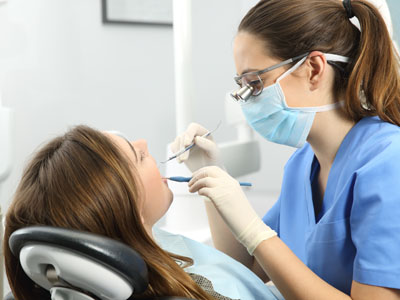

Even the most careful daily routine—twice-daily brushing and regular flossing—can leave behind microscopic plaque and bacteria in places toothbrushes and floss can't always reach. Professional dental cleanings remove hardened deposits and biologic buildup that accumulate over time, keeping patients' mouths healthy and comfortable. Regular visits are a proactive way to preserve tooth structure, support gum health, and reduce the risk of more involved treatment later on.
At Four Points Family Dental, our approach to cleanings prioritizes prevention, thoroughness, and clear communication. During each visit we assess the whole mouth, explain what we find in plain language, and partner with patients on practical steps they can use at home. The information below explains what professional cleanings involve, why they matter, and how you can keep your smile healthy between visits.
Plaque is a living film of bacteria that forms continually on tooth surfaces. If not removed regularly, plaque hardens into tartar (calculus), which bonds tightly to enamel and the root surfaces. Only a trained clinician with the right instruments can remove tartar reliably; leaving it in place creates an environment that promotes cavities and gum inflammation. Professional cleanings interrupt this process and help maintain a stable foundation for oral health.
Beyond the mouth, oral inflammation and infection can influence overall wellbeing. Persistent periodontal inflammation has been linked in research to a number of systemic concerns, so keeping gums healthy is an important preventive step. Routine cleanings reduce the bacterial load and inflammation in the mouth, which supports daily comfort—less bleeding and sensitivity—and helps protect long-term health.
Another benefit is early detection. During a routine cleaning, dental professionals often identify areas of concern—recession, early decay, or patterns of buildup—that may not be obvious to patients. Catching these issues early keeps care simpler, less invasive, and more predictable, which is a key reason why preventive appointments are a wise investment in oral health.
A professional cleaning is a structured process designed to be efficient, comfortable, and thorough. It usually begins with a quick review of your medical and dental history and a visual inspection of the mouth. The clinician will then remove tartar and plaque from tooth surfaces and just below the gumline using a combination of ultrasonic scaling and hand instruments—each tool plays a specific role in dislodging deposits without damaging enamel.
Ultrasonic scalers use gentle vibration and a water spray to break up larger deposits and flush out debris, while hand scalers and curettes allow the hygienist to refine the work in tight spaces and along root surfaces. Many clinicians follow scaling with a careful polishing step that smooths tooth surfaces and helps delay future plaque accumulation. If needed, dental flossing and an antiseptic rinse are used to clear away loosened material.
Finally, the clinician will evaluate gum health by measuring pocket depths and checking for bleeding or signs of inflammation. For many patients, the entire appointment is quick and comfortable; when sensitivity is anticipated, topical gels or targeted anesthetic can be offered to keep the experience pain-free. The visit concludes with a concise review of findings and personalized recommendations for follow-up or maintenance.
No two mouths are identical, so cleanings are adjusted to reflect a patient’s history, current condition, and individual risk factors. Patients with healthy gum tissue and low levels of buildup may require routine maintenance cleanings, while those with a history of periodontal disease may need more frequent appointments and specialized periodontal therapy. The clinician makes these recommendations based on clinical measurements and observed patterns of disease.
For patients who have dental restorations, orthodontic appliances, or implants, cleanings are modified to address those specific challenges. Special instruments and techniques protect restoration margins and implant surfaces while ensuring thorough removal of plaque and biofilm. If deeper cleaning or additional periodontal procedures are indicated, the team will explain the options and coordinate care to achieve stable results.
We also tailor comfort measures and educational support to each patient. For individuals with dental anxiety, heightened sensitivity, or medical conditions that affect oral care, the clinician will discuss strategies—such as adjusted appointment pacing, topical anesthetics, or targeted oral hygiene tools—to make cleanings more manageable and effective.
What happens between professional visits matters. Effective home care dramatically extends the benefits of a cleaning and reduces the speed at which plaque and tartar form. Patients should use a soft-bristled brush and a technique that cleans along the gumline, combined with daily interdental cleaning—floss, floss picks, or interdental brushes—depending on the spaces between teeth.
Small adjustments to daily habits can make a measurable difference: limiting sticky, sugary snacks, drinking water after meals, and avoiding tobacco all reduce bacterial activity and staining. For those prone to sensitivity, desensitizing toothpaste and gentle brushing methods help maintain comfort while protecting enamel and gums. The clinician can recommend specific tools tailored to a patient’s needs, such as electric toothbrushes or specialized interdental cleaners.
Finally, keep an honest calendar of your mouth’s changes. If you notice increased bleeding, new sensitivity, loose feeling, or persistent bad breath, contact your dental team—these signs can indicate trends that deserve attention before they progress. Regular check-ins with your hygienist and dentist allow for small course corrections that prevent larger problems down the road.
Patient safety and comfort are central to modern dental care. Infection-control protocols, single-use disposables where appropriate, and equipment sterilization all reduce risk and create a clean clinical environment. During a cleaning, clinicians also perform basic oral health screenings, looking for signs of oral disease and other changes that might warrant further evaluation by the dentist.
Comfort is addressed proactively: if a patient has sensitive teeth, a low gag threshold, or anxiety about dental visits, the team can adapt the appointment with breaks, desensitizing agents, topical anesthetics, or alternative positioning. These practical accommodations make routine care accessible to a wider range of patients and ensure that cleanings remain a positive, sustainable habit.
Regular cleanings are a foundation for long-term oral health and a straightforward way to maintain a bright, healthy smile. Our team focuses on efficient, compassionate care that respects patients’ time and needs while delivering measurable preventive value.
Professional dental cleanings are a simple, effective tool for preserving oral health and preventing more extensive treatment. If you’d like to learn how routine cleanings fit into a personalized care plan or have questions about preparing for an appointment, please contact us for more information.
A professional dental cleaning is a clinical procedure performed by a licensed dental hygienist or dentist to remove plaque, tartar and biofilm from tooth and root surfaces. The aim is to interrupt the disease process that leads to cavities and gum inflammation while restoring smooth tooth surfaces that are easier to keep clean at home. Cleanings also include a basic oral exam so the clinician can note changes and flag concerns early.
Cleanings combine mechanical removal of deposits with polishing, flossing and an assessment of gum health to support long term oral stability. The procedure is tailored to each patient and designed to be efficient, comfortable and minimally invasive. Regular professional cleaning is one part of a comprehensive preventive care plan that complements daily oral hygiene.
Regular professional cleanings remove hardened tartar that cannot be eliminated by brushing and flossing alone, reducing the risk of cavities and periodontal disease. By lowering the bacterial load and inflammation in the mouth, cleanings help control bleeding, sensitivity and progressive attachment loss around teeth. Maintaining gum health in this way supports daily comfort and helps prevent more complex dental procedures later.
Oral inflammation can also influence systemic wellbeing, so keeping the mouth healthy contributes to broader preventive care. Routine appointments allow clinicians to monitor trends and intervene early when changes occur, which keeps treatment simpler and more predictable. Early detection and consistent maintenance are central to preserving both oral function and appearance over time.
A typical appointment begins with a brief review of medical and dental history and a visual inspection of the mouth to identify immediate concerns. The clinician then uses ultrasonic scalers and hand instruments to remove tartar and plaque from above and just below the gumline, followed by polishing to smooth tooth surfaces. Interdental cleaning with floss or interdental brushes and an antiseptic rinse are used to clear residual debris and assess the areas between teeth.
After scaling and polishing the clinician measures pocket depths and checks for bleeding, recession or other signs of periodontal disease and documents findings for the dentist to review. If sensitivity or extensive buildup is expected, topical desensitizing agents or localized anesthetic may be offered to increase comfort. The visit concludes with a clear summary of findings and personalized recommendations for follow up and home care.
Cleanings are modified based on each patient s clinical needs, whether that means more frequent visits, deeper scaling or specialized instruments for implants and restorations. For periodontal disease the clinician may recommend periodontal maintenance with focused root debridement and closer monitoring of pocket depths to stabilize the condition. Patients with implants receive gentle, implant-safe instruments and techniques to avoid scratching implant surfaces while effectively removing biofilm.
Orthodontic appliances and restorative work require attention to margins and interdental areas that trap plaque, so clinicians use targeted tools and longer appointment times when necessary. The care team will explain the rationale for any additional therapy and coordinate treatment with the dentist to ensure predictable outcomes. Comfort adaptations and specific home care tools are also recommended to support healing and long term maintenance.
Most patients experience minimal discomfort during a routine cleaning, though sensitivity can occur when scaling near inflamed gums or exposed root surfaces. Clinicians routinely check comfort levels and offer practical measures such as topical desensitizing gels, brief breaks during treatment and adjusted pacing to keep the appointment manageable. When necessary, localized anesthetic can be used to eliminate pain for specific areas without affecting the entire visit.
Post appointment sensitivity is usually short lived and can be managed with desensitizing toothpaste, gentle brushing techniques and avoiding extremely hot or cold foods for a day or two. The clinician will review home care adjustments that reduce ongoing sensitivity and recommend products that strengthen enamel and soothe soft tissues. Clear communication about what triggers discomfort helps the team tailor future visits to your needs.
The American Dental Association recommendation for most adults is a professional cleaning and exam about every six months, but individual needs vary based on disease risk and oral conditions. Patients with stable, healthy gums and low buildup may maintain optimal health with twice yearly visits, while others with periodontal history or high buildup may need more frequent maintenance. Your clinician will base timing on clinical measurements, disease patterns and your overall oral hygiene routine.
Scheduling is individualized to balance prevention with convenience and medical considerations, and it may change over time as your oral health evolves. Regular reassessment ensures that intervals are appropriate and that emerging issues are addressed promptly. Keeping follow up appointments as recommended is an effective way to maintain long term oral stability.
Effective home care extends the life of a professional cleaning and slows plaque and tartar formation, so brushing twice daily with a soft bristle brush and cleaning between teeth once a day are foundational habits. Using interdental brushes or floss picks that match your specific spaces, drinking water after meals and limiting sticky sugary snacks all reduce bacterial activity and surface staining. Choosing an electric toothbrush and a fluoride toothpaste can also improve plaque removal and enamel protection.
Consistent technique matters: gentle, short strokes along the gumline and careful interdental cleaning remove the biofilm that leads to inflammation. Tobacco avoidance and attention to dietary acids further protect both soft tissues and enamel. If you notice increased bleeding, persistent bad breath or new sensitivity, contact your dental team so adjustments can be made before problems progress.
Modern dental practices follow stringent infection control protocols including instrument sterilization, use of disposables where appropriate and routine surface disinfection to create a safe treatment environment. Clinicians adhere to universal precautions, wear appropriate personal protective equipment and maintain sterilization logs and procedures that meet regulatory standards. These measures protect patients and staff while allowing routine care to proceed with confidence.
Before treatment clinicians also screen for medical history changes that could affect care and ask about symptoms that warrant additional precautions. If a patient has specific medical concerns the team coordinates with their physician or adjusts scheduling and treatment plans to reduce risk. Clear communication about health status and any recent changes helps keep appointments safe and effective.
Yes, cleanings include a basic oral screening that often uncovers early signs of decay, recession, frictional wear or soft tissue abnormalities that may otherwise go unnoticed. Hygienists document suspicious findings and alert the dentist for further evaluation, which can include targeted X rays or an expanded soft tissue exam. Early identification allows for conservative interventions that are less invasive and more predictable than delayed treatment.
In addition to structural concerns, clinicians look for signs of oral cancer, unusual lesions or changes in mucosal tissue and recommend prompt follow up when necessary. Regular preventive visits create a record of oral health that makes it easier to spot gradual changes over time. Coordinated review between the hygienist and dentist ensures timely diagnostic steps and appropriate care planning.
Prepare by bringing an up to date list of medications and any recent changes to your health history so the clinician can consider medical factors that affect dental care. Arrive with questions about home care or sensitivity and be ready to discuss your typical oral hygiene routine so the team can provide tailored recommendations. If you experience dental anxiety, let the office know in advance to arrange comfort measures like adjusted pacing or topical agents.
If you are a patient of Four Points Family Dental or planning to become one, expect a brief review of records and a clear explanation of findings at the end of the visit so you know what to monitor between appointments. Wearing comfortable clothing and planning for the approximate appointment length helps make the visit smooth and stress free. Contact the office ahead of time if you have recent medical changes or need special accommodations so the team can prepare accordingly.
Quick Links