
The image shows a dental office setting with a patient in the chair, a dentist standing behind them, and another person seated at a desk.

Fluoride Treatment

Why fluoride remains central to cavity prevention

Tooth decay is one of the most common chronic conditions affecting children and adults alike, and fluoride continues to be a cornerstone of modern preventive dentistry. As a naturally occurring mineral, fluoride strengthens tooth enamel and helps teeth withstand the acids produced by bacteria that feed on sugars in the mouth. When used appropriately as part of a regular preventive routine, fluoride reduces the likelihood that early enamel damage will progress into a cavity that requires restorative treatment.

Public health programs and clinical guidelines worldwide recognize the role of fluoride in reducing decay across populations. Its benefits are most pronounced when professional treatments are combined with daily home care habits—brushing with fluoride toothpaste, limiting frequent sugar exposures, and attending routine dental checkups. For families, that combination provides layers of protection that are more effective than any single measure on its own.

Understanding fluoride as a preventive tool helps put individual treatment decisions in context. It is not a cure-all, but it is one of the simplest, safest, and most cost-effective interventions clinicians use to preserve tooth structure and delay or prevent the need for fillings, crowns, or extractions.

How topical fluoride works to rebuild and shield enamel

Topical fluoride strengthens teeth primarily through two actions: enhancing remineralization and inhibiting demineralization. When minerals are lost from the enamel surface because of acid attack, fluoride helps the process reverse by encouraging calcium and phosphate to redeposit into weakened areas. Over time, this process can arrest early decay and make the enamel harder and more resistant to future acid challenges.

Fluoride also affects the oral bacteria that contribute to decay. While it does not eliminate bacteria, it makes the environment less favorable for acid production and reduces the ability of those bacteria to create mineral-dissolving conditions. The combined effect is a measurable reduction in new cavity formation and slower progression of existing early lesions.

Different forms of topical fluoride—varnish, gel, foam, and professionally applied rinses—deliver concentrated fluoride directly to the tooth surface. This targeted application allows for a higher local concentration than daily toothpaste, maximizing the protective benefits during the period immediately after cleaning when the enamel is most receptive.

What happens during a professional fluoride application

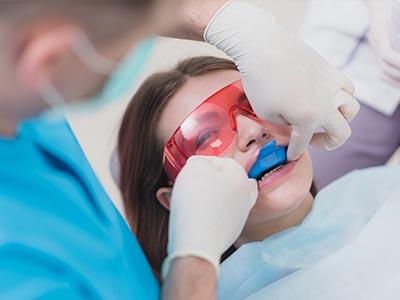
A topical fluoride treatment is straightforward, conservative, and typically completed within a few minutes at the conclusion of a routine cleaning. After the teeth are cleaned and dried, the dental professional will apply the chosen fluoride material to the teeth. Varnishes are brushed on and set quickly, while gels or foams may be held in trays for a brief interval. Patients are guided on any temporary precautions, such as avoiding eating or drinking for a short time if needed.

The procedure is painless and well-suited for patients of all ages. For young children, varnish is often preferred because it adheres to the tooth surface and continues releasing fluoride after the visit. Older children and adults may receive varnish or tray-applied treatments depending on individual needs and clinical judgment.

Clinicians tailor the frequency of professional applications to each patient’s risk profile. Some patients benefit from treatments at every recall visit, while others with lower risk may need them less often. Your dental team will explain the recommended schedule and the rationale behind it during your checkup.

Who benefits most from fluoride treatments

Children are the primary beneficiaries of topical fluoride because their developing teeth are more susceptible to decay and because early prevention has a cumulative lifetime benefit. Regular fluoride applications help protect both primary (baby) teeth and the newly erupted permanent teeth that are particularly vulnerable in the months following eruption.

That said, fluoride is not exclusively for kids. Teens with high sugar intake or poor oral hygiene, adults with a history of frequent cavities, and individuals with reduced saliva flow (a common side effect of certain medications or medical conditions) can all be at elevated risk for decay and may gain meaningful protection from professional fluoride applications.

Patients with orthodontic appliances, such as braces, also benefit because brackets and wires create new niches for plaque accumulation that are harder to clean. A clinician may recommend enhanced topical fluoride use and adjunctive home-care strategies to reduce the risk of white-spot lesions and cavities during treatment.

Making fluoride part of a practical prevention plan

Professional fluoride treatments are most effective when integrated into a broader preventive strategy. That includes twice-daily brushing with a fluoride toothpaste, daily interdental cleaning where appropriate, limiting the frequency of sugary snacks and beverages, and attending regular dental checkups. Fluoride treatments complement—not replace—these foundational habits by providing concentrated, clinician-delivered protection.

For families, establishing consistent routines early helps normalize preventive care and reduces the chances that problems will emerge. Dental professionals can also recommend age-appropriate toothpaste formulations, supervised brushing for young children to ensure safe swallowing, and timing strategies to maximize fluoride contact with the teeth.

When patients and clinicians work together—sharing observations about diet, medications, and hygiene habits—the result is a customized plan that uses fluoride where and when it will have the greatest impact. This thoughtful approach supports long-term oral health and keeps restorative treatment needs to a minimum.

Safety considerations and common questions

When used as directed in professional and home settings, fluoride is safe and well-studied. The small, controlled doses applied in dental offices are designed to stay on the teeth and not be ingested in significant amounts. For young children, clinicians take particular care with application techniques and provide guidance to caregivers about supervising brushing and using only a pea-sized amount of toothpaste.

Patients who are concerned about fluoride can discuss their questions with their dental team. Clinicians will consider age, medical history, medications that affect saliva flow, and other risk factors before making a recommendation. The goal is to balance effective decay prevention with appropriate safety precautions for every patient.

Finally, fluoride is only one element of prevention. Its value increases when combined with professional exams, cleanings, sealants where appropriate, and good daily habits. With that comprehensive approach, many patients enjoy stronger teeth and fewer dental problems over time.

Summary and next steps

Topical fluoride treatments are a simple, evidence-based way to strengthen enamel, slow or reverse early decay, and reduce the chance of future cavities. They work best as part of a comprehensive preventive plan that includes daily oral hygiene, dietary awareness, and regular dental visits. For children, people with higher decay risk, and anyone seeking an added layer of protection, professional fluoride remains a practical option.

If you have questions about whether topical fluoride is appropriate for you or a family member, our team at Four Points Family Dental is happy to discuss your individual needs and provide guidance tailored to your oral health history. Please contact us for more information or to schedule a preventive visit.

Frequently Asked Questions

What is fluoride treatment and how does it help prevent tooth decay?

+

Fluoride treatment is a professional preventive procedure that applies a concentrated form of fluoride directly to the tooth surface to strengthen enamel and reduce the risk of cavities. Topical applications deliver higher local fluoride concentrations than toothpaste alone, allowing enamel to remineralize more effectively after acid exposure. When used with routine home care, fluoride treatment lowers the chance that early enamel damage will progress to a cavity requiring restorative work.

The preventive benefit of fluoride is well documented in public health guidance and clinical practice, and it is considered a cost-effective element of dental care. Fluoride works best as part of a layered prevention strategy that includes daily brushing with fluoride toothpaste, limiting frequent sugar exposures, and regular dental checkups. Your dental team can explain how topical fluoride fits into a personalized plan based on your oral health history and risk factors.

How does topical fluoride strengthen tooth enamel?

+

Topical fluoride supports enamel in two principal ways: it enhances remineralization and it inhibits demineralization. Fluoride encourages calcium and phosphate to redeposit into areas of early mineral loss, helping to rebuild weakened enamel and making the surface more resistant to future acid attacks. Over time this process can arrest or slow the progression of small lesions and make the tooth structure harder.

In addition to these mineral effects, fluoride also alters the environment that allows decay-causing bacteria to produce acid, reducing their ability to break down tooth minerals. Different delivery methods provide varying contact times and concentrations, so professionally applied fluoride can maximize the window when enamel is most receptive after a cleaning. Clinicians choose the form and concentration that best suit each patient’s needs and risk profile.

What types of professional fluoride treatments are available?

+

Dentists commonly use several forms of topical fluoride, including varnishes, gels, foams, tray-applied treatments, and professionally dispensed rinses. Varnish is painted onto the teeth and sets quickly, allowing sustained fluoride release, while gels and foams may be held in a tray for a short period to deliver a higher dose. Each method offers practical advantages depending on the patient’s age, cooperation, and clinical situation.

Selection of a specific fluoride product depends on factors such as patient comfort, the ability to tolerate trays, and the need for prolonged contact with the tooth surface. For young children, varnish is often preferred because it adheres to teeth and reduces the chance of ingestion. For older children and adults, tray or gel applications may be chosen when a higher short-term concentration is indicated.

What should I expect during a professional fluoride application?

+

A professional fluoride application is quick and noninvasive, typically performed at the end of a routine cleaning and usually completed within a few minutes. The dental team will dry the teeth, then apply the chosen fluoride material by brushing on varnish or using trays for gels or foams, and will review any brief post-treatment precautions. Most patients experience no discomfort during the procedure, and normal activities resume shortly afterward.

The clinician will explain any temporary instructions, such as avoiding eating or drinking for a short period if recommended, and will document the application in your chart. Frequency and method are tailored to your needs based on your decay risk and oral health history, and the dental team can answer questions about what to expect after the visit. If you have specific concerns, discussing them with your clinician before treatment helps ensure a comfortable experience at Four Points Family Dental.

Who benefits most from professional fluoride treatments?

+

Children are primary beneficiaries because newly erupted permanent teeth and primary teeth are more vulnerable to decay, and early prevention yields lifetime advantages. Teens with high sugar intake, adults with a history of frequent cavities, and people with reduced saliva flow due to medications or medical conditions also face elevated risk and can gain meaningful protection from topical fluoride. Orthodontic patients are another important group because appliances create areas that are harder to clean and more prone to white-spot lesions.

Older adults and individuals with receding gums or root exposure may also benefit from targeted fluoride applications to help protect root surfaces and slow disease progression. Clinicians assess individual risk factors such as diet, oral hygiene, medical history, and medication use before recommending a schedule. This personalized approach ensures fluoride is used where it will have the greatest impact.

How often should I have professional fluoride applications?

+

The recommended frequency of professional fluoride applications depends on each patient’s decay risk, which is determined by factors like past cavities, oral hygiene habits, dietary patterns, and saliva flow. Patients at higher risk may receive fluoride at every recall visit, which often ranges from two to four times per year, while low-risk patients might need them less frequently. Your dental team will explain the rationale for the suggested schedule and how it fits into your overall preventive care.

Changes in health status, medications that reduce saliva, or alterations in diet can affect risk over time, so clinicians periodically reassess the need for more or fewer applications. Home care also influences the professional schedule; consistent brushing with fluoride toothpaste and daily interdental cleaning can reduce incremental risk. Open communication with your dental provider ensures the treatment frequency remains appropriate for your current needs.

Is fluoride treatment safe for children and adults?

+

When used as directed in clinical and home settings, fluoride is safe and supported by extensive research. Professional topical applications are designed to stay on the teeth and not be ingested in significant amounts, and dental teams take precautions to minimize swallowing, particularly in young children. Caregivers are advised to supervise brushing, use only a pea-sized amount of toothpaste for young children, and follow any specific instructions provided by the clinician.

Clinicians also consider individual medical histories and potential interactions with medications that affect saliva or oral health when recommending fluoride. If you have concerns about safety or prior reactions, discuss them with your dental team so they can tailor recommendations and explain the steps taken to reduce any risks. The goal is to provide effective decay prevention while maintaining appropriate safety measures for each patient.

How does fluoride fit into an overall preventive dental plan?

+

Fluoride is one element of a comprehensive preventive strategy that includes twice-daily brushing with fluoride toothpaste, daily interdental cleaning, dietary moderation of sugary foods and drinks, and regular professional exams and cleanings. Sealants, proper oral hygiene instruction, and risk-based recall intervals also play important roles in preventing decay. Together these measures create overlapping protections that are more effective than any single intervention alone.

A preventive plan is most effective when it is personalized to the patient’s age, risk factors, and lifestyle, and fluoride applications are scheduled where they add the most benefit. Dental professionals work with patients and caregivers to establish consistent habits at home, recommend appropriate products, and monitor outcomes over time. This collaborative approach helps preserve natural tooth structure and reduces the need for restorative procedures.

Can people with braces or other orthodontic appliances benefit from additional fluoride?

+

Yes, patients with braces or fixed orthodontic appliances often benefit from enhanced topical fluoride use because brackets and wires create new areas for plaque buildup that are harder to clean. Fluoride varnishes, high-fluoride toothpastes, and professionally applied gels can help reduce the risk of white-spot lesions and cavities during orthodontic treatment. In-office applications combined with vigilant home care and special brushes provide a practical defense against demineralization around brackets.

Orthodontic patients should discuss a tailored prevention plan with their dental or orthodontic team that may include more frequent fluoride applications, focused hygiene instruction, and adjunctive measures such as fluoride mouthrinses when appropriate. Regular monitoring during treatment allows clinicians to intervene early if signs of demineralization appear. This proactive management helps protect teeth throughout and after orthodontic care.

What questions should I ask my dental team about fluoride treatment?

+

Key questions include asking about your individual decay risk, which form of topical fluoride is recommended, how often treatments should be scheduled, and what limitations or precautions apply to your situation. You may also want to ask how fluoride applications interact with your home-care routine, whether any medications or medical conditions affect the recommendation, and what to expect immediately after treatment. Asking these specifics helps you understand the rationale and practical steps involved.

If you would like personalized guidance or to review your records, the office of Four Points Family Dental can discuss past fluoride use, recommended products for home, and a schedule tailored to your needs. Bringing a list of current medications and recent dental history to your appointment helps the team make an informed recommendation. Clear dialogue with your clinician ensures fluoride is used safely and effectively as part of your preventive care.

Pay Online

We make paying your dental bill incredibly easy and convenient by offering a secure, dedicated online payment portal. You can quickly access this system from our website using your computer or smartphone at any time, day or night.

Expertise You Can Trust, Care You Can Feel

Experience a higher standard of dentistry for every member of your family. Our doors—and our ears—are always open to your questions. Let us handle the details while you focus on your health. Reach out today to see how we’re redefining the dental visit.

Office Hours

Monday
9:00 am - 4:00 pm
Tuesday
9:00 am - 6:00 pm
Wednesday
9:00 am - 4:00 pm
Thursday
9:00 am - 5:00 pm
Friday
7:30 am - 2:00 pm