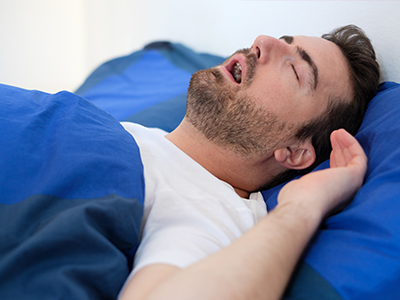

A person lying in bed with a hand covering their face, appearing to be in a state of sadness or distress.

Sleep Apnea and Snoring Relief

Good sleep is essential to physical and mental well-being. When breathing is interrupted repeatedly overnight, the resulting fatigue and health risks can affect every area of life — from concentration and mood to cardiovascular health. Millions of adults experience disrupted breathing during sleep, and far more people snore than realize the problem may be a warning sign. At the office of Four Points Family Dental, we evaluate sleep-related breathing issues and offer practical, evidence-based options to reduce snoring and relieve mild to moderate obstructive sleep apnea.

What Happens When Breathing Stops During Sleep

Obstructive sleep apnea occurs when soft tissues in the throat temporarily collapse and block the airway while a person sleeps. These blockages can last a few seconds to a minute or more, and they may repeat dozens or even hundreds of times each night. Each pause forces the body to partially awaken in order to restart normal breathing, which fragments sleep architecture and prevents restorative rest.

The mechanics are straightforward: relaxed muscles in the tongue, soft palate, and throat can narrow the airway. Factors such as anatomy, body weight, age, and certain habits can increase the likelihood of obstruction. Although obstructive sleep apnea is the most common type encountered in dental practice, central sleep apnea — where the brain fails to send consistent breathing signals — is a different condition that requires medical evaluation.

Because the disorder can progress, early recognition is important. Left untreated, repeated oxygen dips and sleep fragmentation have been linked to higher risks of high blood pressure, heart disease, and metabolic problems. That makes assessment and timely management worthwhile for long-term health as well as daily functioning.

Recognizing the Nighttime and Daytime Clues

Many people don’t realize they have a sleep problem until a partner or family member reports loud, irregular snoring or observed pauses in breathing. Typical nighttime signs include heavy snoring, gasping or choking sounds, abrupt awakenings, and restless sleep. Some people wake with a dry mouth or a morning headache — subtle clues that breathing was impaired during the night.

Daytime consequences are often more visible: excessive sleepiness, trouble concentrating, memory lapses, and mood changes such as irritability or decreased patience. For people who drive or operate machinery, untreated sleep apnea can pose a serious safety risk due to slower reaction times and microsleeps. These daytime symptoms are powerful indicators that a sleep assessment may be needed.

Because sleep apnea is associated with other health conditions — including hypertension, type 2 diabetes, and certain cardiovascular issues — noticing a pattern of sleep disturbances alongside chronic health problems should prompt a coordinated medical and dental evaluation.

How Sleep Problems Are Evaluated and Diagnosed

Diagnosis typically begins with a thorough health history and discussion of symptoms. Physicians or sleep specialists may recommend a sleep study to measure breathing patterns, oxygen levels, and sleep stages. Studies can be performed in a sleep laboratory (polysomnography) or with validated home sleep apnea testing devices, depending on the case and the suspected severity.

Dental professionals play an important role in the pathway to diagnosis and care. A dentist trained in dental sleep medicine can identify oral and jaw characteristics that influence airway patency and can collaborate with physicians to interpret sleep study results and define appropriate treatment options. Communication between providers helps ensure that therapy is safe and effective for each patient’s overall health.

Self-observation and partner reports matter: tracking snoring frequency, witnessed pauses in breathing, daytime sleepiness, and changes in concentration all help clinicians determine whether further testing is warranted. Early screening is especially important for individuals with risk factors such as a large neck circumference, a recessed jaw, or other anatomic traits that predispose to airway narrowing.

Treatment Pathways: From Lifestyle Steps to Device Therapy

Treatment is tailored to the severity of the disorder and the patient’s individual needs. For many people with mild to moderate obstructive sleep apnea, conservative measures like weight management, avoiding alcohol and sedatives before bed, improving sleep position, and treating nasal congestion can reduce symptoms. These strategies are often recommended alongside device-based therapies for greater benefit.

Continuous positive airway pressure (CPAP) remains the gold standard for moderate to severe cases because it reliably keeps the airway open during sleep. However, some patients cannot tolerate CPAP or prefer alternative options. For suitable candidates, custom oral appliance therapy offers an effective, less intrusive approach that helps maintain an open airway by repositioning the jaw or tongue during sleep.

Oral appliances — fitted similarly to a mouthguard or retainer — come in several designs. Mandibular advancement devices shift the lower jaw forward to enlarge the airway, while tongue-retaining devices hold the tongue in a forward position. When properly selected and custom-made, these devices can markedly reduce snoring and decrease the number and duration of breathing interruptions for many patients.

Regardless of the chosen therapy, ongoing monitoring is essential. Treatment effectiveness is typically confirmed through follow-up assessments and, when appropriate, repeat testing. Regular checkups ensure that devices remain comfortable, continue to control symptoms, and do not produce unwanted dental changes over time.

How We Personalize Oral Appliance Care

Our approach emphasizes custom-fitting and careful follow-up. A successful oral appliance starts with a detailed oral exam, precise dental impressions, and a clear understanding of the patient’s sleep study findings. We design and adjust the appliance to balance airway improvement with comfort and long-term dental stability.

Because dental anatomy and bite relationships can change, we schedule regular reviews to calibrate the device as needed. These visits also include assessments of jaw comfort, tooth movement, and overall oral health. If a patient is working with a sleep physician, we maintain open communication to ensure that dental therapy complements medical recommendations.

Education is part of the plan: patients receive instruction on proper insertion, cleaning, and nightly use, along with guidance on what to expect during the adjustment period. With personalized care and professional monitoring, many people find that an oral appliance improves sleep quality and daytime alertness while fitting seamlessly into their nightly routine. At Four Points Family Dental, our goal is to provide thoughtful, evidence-based dental sleep solutions that integrate safely into a broader health-focused plan.

If you suspect you or someone you care about is experiencing sleep apnea or problematic snoring, a coordinated evaluation can clarify the cause and the most appropriate next steps.

To learn more about diagnosis and treatment options for sleep apnea and snoring relief, contact us for additional information and guidance.

Frequently Asked Questions

What is obstructive sleep apnea, and how does it differ from snoring?

+

Obstructive sleep apnea is a sleep-related breathing disorder in which the airway repeatedly narrows or closes, causing pauses in breathing and frequent micro-awakenings. Snoring is a noisy vibration of the soft tissues in the throat and can be a symptom of airway narrowing but does not always indicate apnea. Apnea events often lead to reduced oxygen levels and fragmented sleep, whereas simple snoring typically does not cause the same level of physiological disruption.

Because snoring and apnea can coexist, loud or irregular snoring accompanied by daytime sleepiness, morning headaches, or witnessed pauses in breathing should prompt further evaluation. Identifying apnea early helps reduce the risk of associated health problems and improves overall daytime functioning. At Four Points Family Dental we evaluate snoring and sleep-disordered breathing to determine when dental therapies or medical referral are appropriate.

What causes airway obstruction during sleep?

+

Airway obstruction during sleep usually results from relaxation of the tongue, soft palate, and pharyngeal muscles that allow soft tissues to collapse into the airway. Anatomic factors such as a recessed jaw, enlarged tonsils, a large neck circumference, nasal congestion, or excess soft tissue from weight gain can all increase the chance of obstruction. Age, certain medications, alcohol, and sleep position may further reduce muscle tone and worsen airway collapse.

Neuromuscular control and body chemistry also influence airway stability, and in some cases central nervous system factors affect breathing pattern independent of obstruction. A comprehensive evaluation considers anatomy, lifestyle, and medical history to identify the most likely contributors. This multifactorial view helps guide individualized treatment plans that address both contributing causes and symptoms.

How is sleep apnea diagnosed and what role can a dentist play?

+

Diagnosis typically begins with a detailed symptom history and may include questionnaires, partner observations, and clinical examination. Sleep studies, either in-lab polysomnography or validated home sleep apnea testing, measure breathing patterns, oxygen levels, and sleep stages to confirm the diagnosis and determine severity. A physician or sleep specialist usually interprets testing results and makes medical recommendations based on the findings.

Dental professionals experienced in dental sleep medicine contribute by assessing oral and jaw anatomy, identifying factors that influence airway patency, and coordinating care with physicians. Dentists can fit and manage oral appliance therapy for appropriate patients, monitor dental side effects, and participate in follow-up testing to document treatment effectiveness. Collaboration between dental and medical providers ensures safe, comprehensive management of sleep-disordered breathing.

What treatment options are available for snoring and mild to moderate obstructive sleep apnea?

+

Treatment depends on severity and individual needs and ranges from conservative lifestyle changes to device-based therapies. Weight management, positional therapy, avoiding alcohol or sedatives near bedtime, and treating nasal obstruction often help reduce symptoms and are commonly recommended as first-line measures. For many patients with mild to moderate apnea, these strategies are combined with a dental or medical therapy for greater benefit.

Continuous positive airway pressure, or CPAP, remains the most effective treatment for moderate to severe cases because it mechanically splints the airway open. For patients who cannot tolerate CPAP or who have mild to moderate obstruction, custom oral appliances that advance the lower jaw or stabilize the tongue offer an evidence-based alternative. Selection of therapy should be guided by sleep-study findings, patient preference, and medical considerations to ensure safe and effective results.

How do oral appliance therapies work, and who is a good candidate?

+

Oral appliance therapies work by repositioning the lower jaw, tongue, or both to increase the size of the upper airway and reduce collapsibility during sleep. Devices vary in design but are typically custom-made from dental impressions to achieve a comfortable fit and predictable movement. Candidates for oral appliance therapy commonly include patients with primary snoring or mild to moderate obstructive sleep apnea who prefer a less intrusive option than CPAP.

Successful candidates are also those without severe dental or jaw problems that would interfere with device wear, and who are willing to attend regular follow-up visits to monitor effectiveness and side effects. A coordinated evaluation with a sleep physician helps confirm that an oral appliance is appropriate, and baseline or follow-up sleep testing may be used to document improvement. Dentists trained in dental sleep medicine can guide selection, fitting, and long-term management of these devices.

How does oral appliance therapy compare with CPAP therapy?

+

CPAP is generally considered the most effective treatment for keeping the airway open because it provides constant positive pressure, but many patients find it difficult to tolerate nightly. Oral appliances are less obtrusive and can be easier to use, which may lead to better nightly adherence for some patients despite slightly lower efficacy on a per-night basis. Comparative outcomes depend on both device effectiveness and patient adherence, so a therapy that a patient uses consistently can sometimes produce comparable real-world benefits.

Decisions between therapies should weigh severity of apnea, comorbid health conditions, patient comfort, and the results of sleep testing. For patients with severe disease or significant cardiovascular risk, CPAP is often preferred unless contraindicated or intolerable. For mild to moderate apnea or when CPAP is not tolerated, custom oral appliances offer a validated alternative when used under professional supervision.

What should I expect during an oral appliance fitting and follow-up care?

+

An oral appliance fitting begins with a comprehensive oral exam, dental impressions or digital scans, and a review of your sleep study results and medical history. The laboratory fabricates a custom device, which is then adjusted in the office to achieve a balance of airway opening and comfort. Initial adaptation often requires fine-tuning of jaw position and device settings to optimize effectiveness and minimize side effects.

Follow-up care includes scheduled visits to assess comfort, jaw function, tooth position, and symptom improvement, and may involve repeat sleep testing to verify treatment success. Long-term monitoring helps detect dental changes such as tooth movement or bite alterations and allows adjustments to preserve oral health. At Four Points Family Dental we emphasize careful follow-up and communication with your sleep physician to ensure coordinated, evidence-based care.

Are there potential side effects or risks associated with oral appliance therapy?

+

Oral appliance therapy is generally safe, but potential side effects can include temporary jaw soreness, increased salivation, dry mouth, and gradual changes in tooth alignment or bite. Most early discomfort resolves with adjustments and an adaptation period, while dental changes tend to occur slowly and should be monitored at regular intervals. Serious complications are uncommon but underscore the importance of professional fitting and follow-up.

Patients with preexisting temporomandibular joint disorders, loose teeth, or certain dental restorations require careful assessment before starting therapy. Regular dental exams and communication with your sleep physician help manage risks and ensure that treatment remains both effective and compatible with oral health. Early reporting of new symptoms allows prompt modification of the device or treatment plan.

How should I care for and maintain my oral appliance?

+

Proper care extends the life of an oral appliance and helps prevent oral health issues. Clean the device nightly with a soft toothbrush and mild, nonabrasive cleanser or soap, rinse thoroughly, and store it in a ventilated case when not in use. Avoid hot water or harsh chemicals that can warp the appliance, and bring the device to dental appointments so the fit and condition can be inspected.

Maintain routine dental hygiene with brushing, flossing, and regular professional cleanings, as oral appliances can trap plaque and increase the risk of gum disease if not managed. Report any persistent discomfort, changes in fit, or new dental concerns to your provider promptly so adjustments can be made. Consistent care and follow-up help ensure both appliance effectiveness and long-term oral health.

When should I seek immediate medical attention or a sleep specialist referral?

+

Seek prompt medical attention if you or someone else observes prolonged pauses in breathing during sleep, sudden gasping episodes, or changes in consciousness that suggest severe breathing interruptions. Additionally, if daytime sleepiness is causing dangerous lapses in attention while driving or operating machinery, immediate evaluation is warranted. These signs can indicate clinically significant sleep apnea that requires urgent assessment and management.

A referral to a sleep specialist is appropriate when symptoms suggest moderate to severe sleep-disordered breathing, when initial therapies fail to control symptoms, or when there are significant comorbid conditions such as uncontrolled hypertension or cardiovascular disease. Collaboration between your primary care provider, sleep physician, and dental clinician ensures a comprehensive approach to diagnosis and treatment that prioritizes safety and long-term health.

Pay Online

We make paying your dental bill incredibly easy and convenient by offering a secure, dedicated online payment portal. You can quickly access this system from our website using your computer or smartphone at any time, day or night.

Expertise You Can Trust, Care You Can Feel

Experience a higher standard of dentistry for every member of your family. Our doors—and our ears—are always open to your questions. Let us handle the details while you focus on your health. Reach out today to see how we’re redefining the dental visit.

Office Hours

Monday
9:00 am - 4:00 pm
Tuesday
9:00 am - 6:00 pm
Wednesday
9:00 am - 4:00 pm
Thursday
9:00 am - 5:00 pm
Friday
7:30 am - 2:00 pm