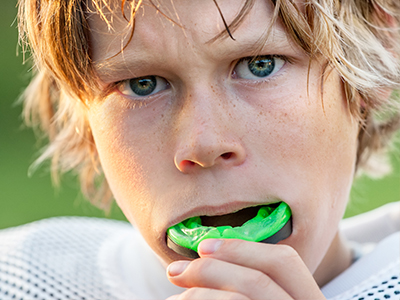

Participation in sports and recreational activities brings physical and mental benefits, but it also carries a risk of oral injury. Collisions, falls, and impacts from balls, bats, or sticks can cause chipped or knocked-out teeth, lacerations to the lips and cheeks, and even jaw or facial fractures. A properly fitted mouthguard acts as a first line of defense, absorbing and distributing forces that would otherwise be transmitted directly to teeth and soft tissues.
Beyond obvious injuries to teeth, trauma to the mouth can lead to long-term problems such as compromised tooth structure, root damage, or the need for restorative treatment. Protecting the mouth during play is therefore not just about avoiding immediate pain; it’s about preserving oral health and avoiding treatments that may be complex and time-consuming later on. For athletes of all levels, a mouthguard is a practical preventive measure that supports both short-term safety and long-term dental wellness.
Coaches, parents, and athletes often underestimate how common these injuries are. Even non-contact sports can produce unexpected impacts or falls that threaten dental health. Because the consequences can be sudden and severe, wearing a mouthguard consistently is one of the simplest, most effective ways to lower the likelihood of serious oral injuries during athletic activity.
Sports mouthguards are available in several basic formats, each offering different levels of protection and convenience. Stock mouthguards come pre-formed and are ready to wear out of the package; they are inexpensive and readily available but tend to fit poorly and can interfere with breathing and speech. Boil-and-bite guards offer an intermediate option—softened in hot water and then molded to the teeth for a better fit—but their fit and protection still vary depending on technique and dental anatomy.
Custom-made mouthguards are created in a dental office from an impression of the athlete’s teeth. These provide the most consistent fit, comfort, and protection because they are shaped to match individual tooth alignment and bite. For people with orthodontic appliances, crowns, or missing teeth, custom options can be tailored to accommodate those conditions and provide enhanced coverage where it’s needed most.
Choosing the right type depends on activity level, frequency of play, and individual dental needs. Recreational players may find boil-and-bite guards an acceptable short-term solution, while competitive athletes or anyone with previous dental concerns typically benefit from the superior fit and stability of a custom device provided by a dental professional.
Custom mouthguards are fabricated by dental professionals to align precisely with a patient’s teeth and bite, which improves retention, comfort, and protective performance. Because they allow for precise control of thickness and coverage, custom guards can be engineered to absorb impact in specific areas and to minimize movement during strenuous activity. This reduces the risk of direct trauma and helps preserve both soft tissues and tooth structure.
Beyond protection, a well-made custom guard is easier to speak and breathe through, which encourages consistent use during practices and games. Athletes who find a guard comfortable are far more likely to wear it consistently, and consistent protection is what ultimately reduces injury risk. For many patients, the improved fit of a custom appliance also reduces the likelihood of gagging or irritation that can occur with poorly fitting store-bought options.
Your dental team can evaluate factors such as bite alignment, orthodontic appliances, and previous dental work to recommend the most appropriate design. In addition to standard athletic protection, custom guards can be designed for specialized sports or positional needs—prioritizing the balance between protection, comfort, and performance that matters to each athlete.
Keeping a mouthguard clean and intact is essential to its effectiveness. Rinse the device with cool water after each use and brush it gently with a soft toothbrush and non-abrasive toothpaste or mild soap. Allow the mouthguard to air-dry completely before storing it in a ventilated case to prevent bacterial growth. Avoid exposing the guard to high heat—direct sunlight, hot water, or car dashboards can warp the material and compromise fit.
Regular inspection is important: check for tears, thinning areas, or distortion that could reduce protection or irritate the mouth. If the guard shows signs of wear, no longer fits snugly, or becomes uncomfortable, it should be replaced. For athletes undergoing orthodontic treatment or for growing children, periodic adjustments or new impressions may be necessary to maintain an effective fit as dental alignment changes.
Storing the mouthguard in a clean, labeled case when not in use helps prevent accidental damage and keeps it hygienic. Encourage team members or family athletes to adopt consistent cleaning and storage habits—these small steps preserve performance, reduce infection risk, and help the guard provide reliable protection season after season.
Mouthguards are recommended for sports and activities where collisions, falls, or projectile impacts are likely. This includes contact sports such as football, hockey, and lacrosse, but also extends to many non-contact pursuits where accidental impacts can occur—basketball, skateboarding, cycling, and gymnastics, for example. Any activity that carries a reasonable chance of facial impact merits consideration of protective equipment for the mouth.
Certain individuals have a heightened need for mouth protection. Athletes with previous dental trauma, those with orthodontic appliances, or people who have restorative dental work may be at greater risk from impact and can benefit from a guard designed to protect specific areas. Younger athletes, whose mouths are still developing, should use guards that accommodate growth and are periodically reassessed for fit.
Ultimately, the decision to use a mouthguard is a preventive choice that prioritizes safety and long-term oral health. Conversations with your dental team can clarify which type of guard best suits your sport, dental anatomy, and comfort needs, ensuring you can stay active with confidence and lower the chance of an avoidable dental emergency.
At Four Points Family Dental, our team emphasizes prevention and individualized care when advising patients about sports mouthguards. If you’d like guidance on which option is best for you or your child, please contact us for more information.
A sports mouthguard is a protective device worn over the teeth to absorb and distribute forces from impacts to the mouth and jaw. It helps reduce the risk of chipped or knocked-out teeth, lacerations to the lips and cheeks, and other oral trauma that can occur during athletic activity. By cushioning sudden blows, a mouthguard also lowers the chance of more serious injuries such as jaw fractures and damage to tooth roots.
Beyond preventing immediate harm, a mouthguard protects long-term oral health by reducing the likelihood of complex restorative treatments later on. Consistent use during practices and games is the most effective way to minimize avoidable dental emergencies. For athletes at every level, a properly fitted mouthguard is a practical and evidence-based preventive tool.
There are three common formats of mouthguards: stock, boil-and-bite, and custom-made devices. Stock guards are pre-formed and inexpensive but often fit poorly and can impede breathing and speaking, while boil-and-bite guards can be molded at home for a closer fit but still vary in effectiveness depending on technique and dental anatomy. Custom-made mouthguards are fabricated from an impression of the teeth and provide the most consistent fit, comfort, and protection.
The right choice depends on activity level, frequency of play, and individual dental needs. Recreational athletes may opt for boil-and-bite guards for short-term use, while competitive athletes and those with prior dental concerns typically benefit from custom appliances. Each option involves trade-offs between convenience, fit, and protective performance.
Custom mouthguards are crafted by dental professionals to match a patient’s teeth and bite, which improves retention and reduces movement during play. Precise control over material thickness and coverage allows these guards to be engineered to absorb impact in critical areas and to protect both hard and soft tissues more effectively than generic alternatives. The improved fit also minimizes gagging and irritation, making it easier for athletes to wear them consistently.
Comfort and functionality are significant factors in consistent use, and athletes who can breathe and speak more naturally while protected are far more likely to keep their mouthguard in place. Custom devices can also be adapted for patients with crowns, implants, or orthodontic appliances, providing tailored protection that addresses individual dental circumstances. For these reasons, dental professionals frequently recommend custom guards for athletes with higher exposure to contact or prior dental work.
Creating a custom mouthguard begins with a clinical evaluation and an impression or digital scan of the patient’s teeth and bite. The lab then fabricates the device from high-quality materials to exact specifications, allowing the dentist to control thickness, coverage, and fit to meet the athlete’s needs. Once the guard is ready, the dentist verifies fit, makes any fine adjustments, and provides instructions for care and use.
This process ensures the final appliance balances protection, comfort, and speech and breathing function. For athletes undergoing orthodontic treatment or those with changing dental alignment, periodic reassessment and refitting may be recommended to maintain optimal protection. Proper fabrication and professional oversight are the main advantages that distinguish custom guards from over-the-counter options.
Custom mouthguards are recommended for athletes who participate in contact sports, individuals with a history of dental trauma, and anyone with restorative dental work that could be at risk during impact. They are also well suited for competitive players who require reliable protection and comfortable fit to wear the device consistently. Younger athletes and those with orthodontic appliances benefit from appliances tailored to their ongoing dental development.
Patients with crowns, implants, or significant bite issues should discuss custom options with their dental team to ensure vulnerable areas receive adequate coverage. Even athletes in non-contact activities that carry a risk of falls or collisions can gain meaningful protection from a properly fitted guard. Ultimately, consultation with a dentist clarifies which design best aligns with the sport, teeth alignment, and personal comfort needs.
Rinse your mouthguard with cool water after each use and brush it gently with a soft toothbrush and mild soap or non-abrasive toothpaste to remove debris and bacteria. Allow the device to air-dry completely before storing it in a ventilated case to minimize moisture and microbial growth. Avoid exposing the mouthguard to high temperatures, such as hot water, direct sunlight, or car dashboards, because heat can warp the material and alter the fit.
Regular cleaning and proper storage extend the life of the appliance and reduce infection risk for the wearer. Periodically disinfecting with a dentist-recommended solution can add another layer of hygiene when needed. Keeping the case clean and labeling the guard helps prevent accidental mix-ups on shared teams or household settings.
Inspect your mouthguard regularly for signs of wear such as tears, thinning, or distortion that could compromise protection or cause irritation. A guard that no longer fits snugly, feels uncomfortable, or shows visible damage should be replaced promptly to maintain adequate protection. For growing children and adolescents, more frequent replacement is often required as dental arches and tooth positions change over time.
Athletes with orthodontic treatment or recent dental restorations should schedule periodic evaluations with their dentist to determine whether adjustments or a new impression are necessary. Even well-maintained custom guards have a limited service life and should be reviewed seasonally or after any significant facial impact. Proactive inspection helps prevent failure at the moment protection is needed most.
Yes, mouthguards can be designed to work with many types of dental appliances, but the approach depends on the device in place and the patient’s treatment stage. For patients in braces, a custom mouthguard can be constructed to accommodate brackets while providing protection and preventing damage to the appliances themselves. Over-the-counter options are often ill-fitting and can press against hardware, so professional evaluation is recommended for those with orthodontic devices.
Dentists can also recommend modified designs for patients with crowns, bridges, or implants to ensure vulnerable areas receive appropriate coverage. In some cases, specialized materials or added thickness in certain zones help protect restorations without compromising comfort. Open communication with your dental team ensures the guard is both protective and compatible with ongoing dental treatment.
A well-fitted mouthguard should allow normal breathing and reasonable speech, which are important for performance and safety during play. Custom-made devices are shaped to the patient’s bite and airway needs, minimizing obstruction and making it easier to communicate on the field or court. Poorly fitting stock or ill-molded boil-and-bite guards are more likely to interfere with breathing and speech and can discourage consistent use.
When selecting a mouthguard, prioritize fit and comfort to reduce interference with performance. If an athlete experiences persistent breathing difficulty or significant speech impediment while wearing a guard, they should consult their dentist for assessment and adjustment. Properly fabricated appliances balance protection with function so athletes can perform confidently and safely.
To obtain a custom mouthguard at Four Points Family Dental, patients begin with a clinical evaluation so the dentist can assess bite, dental restorations, and any special needs related to the sport. The office will take an impression or digital scan that is used to fabricate a device tailored to the athlete’s teeth and activity requirements. After delivery, the dentist verifies fit and provides personalized instructions for care, storage, and periodic reassessment.
Working with a dental professional ensures the guard is designed to provide consistent protection while supporting breathing and speech needs. If you or a family member play sports and would like guidance on the right mouthguard option, contact the practice to schedule a consultation and evaluation.
Quick Links